Author
Alain Manset
42 articles by Alain Manset
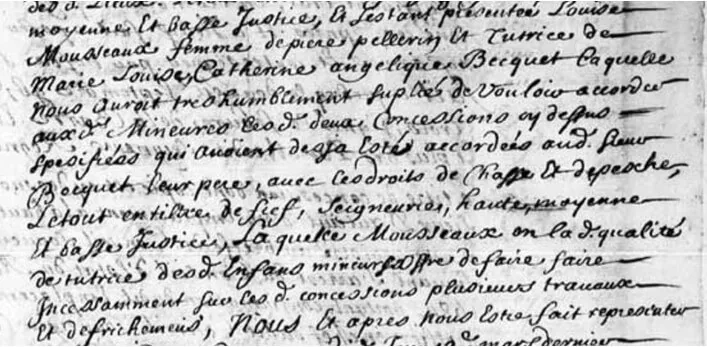 seriesChapter 4: Louise Mousseau (Monceau), the guardian (1635-1707)A widow and grandmother, Louise Mousseau obtained on 17 April 1683 the retrocession of l’île Madame and the seigneury of St-Pierre for her two under-age granddaughters, whose guardian she was.
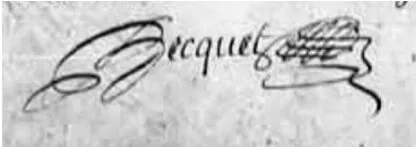 seriesChapter 3: Romain Becquet, seigneur in spite of himself (1640-1682)A royal notary at Quebec, Romain Becquet received l’île Madame and the seigneury of St-Pierre without ever setting foot there; the two fiefs were taken back in 1683, the year after his death.
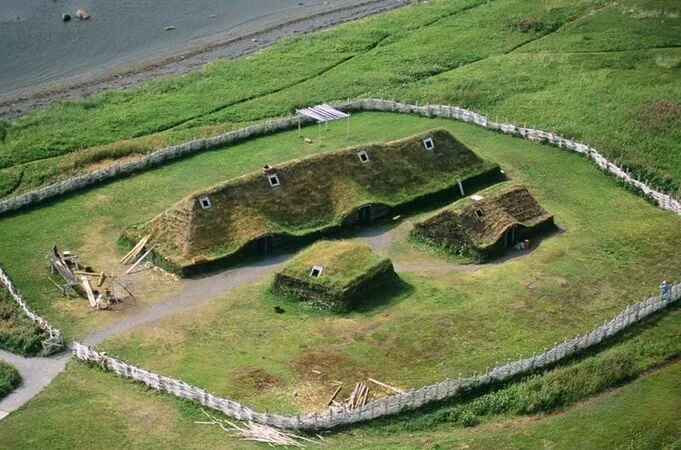 seriesChapter 2: Our region — the arrival of the first Europeans (1534–c.1600)From the Vikings of Anse aux Meadows to the Great Peace of Montréal in 1701, by way of Cartier and Champlain: the arrival of the Europeans, and why the settlement of New France was so slow.
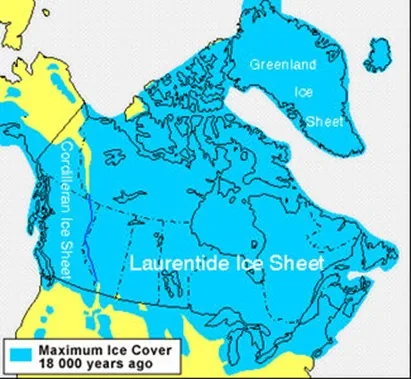 seriesChapter 1: Our region, from prehistory to the arrival of the Europeans.From the glaciers to the Champlain Sea and the sea’s withdrawal 9,600 years ago: the Cap St-Claude site before the Europeans came, and the traces left by its first occupants.
- seriesFrom Yesterday to TodayContents of the series on the region’s history, in four chapters up to 1707: prehistory; the explorations of Cartier and Champlain; the notary Romain Becquet, seigneur in spite of himself; Louise Mousseau, guardian of her granddaughters.
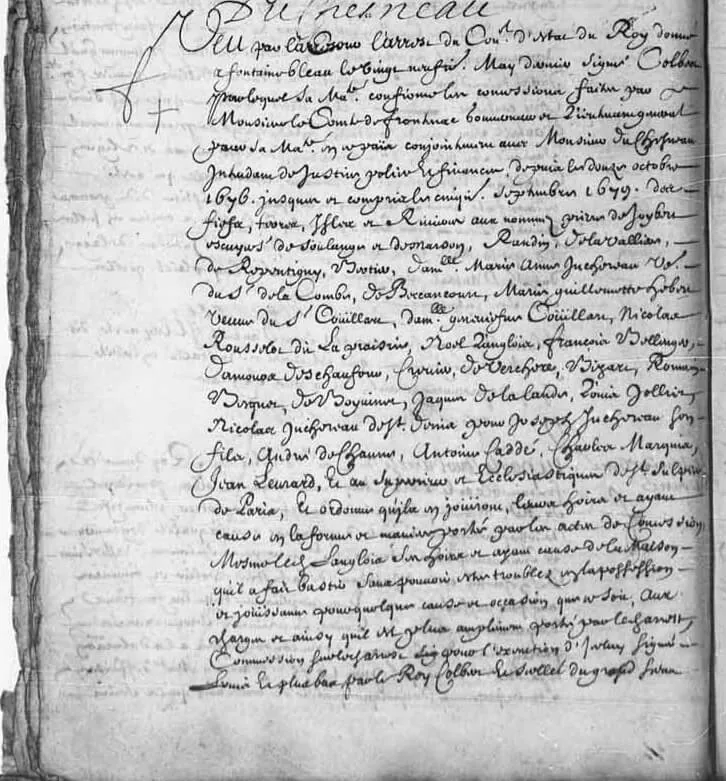 1672 or 1679?No 1672 deed has ever been found: it was l’île Madame that was granted that year. The seigneury between Gentilly and Deschaillons was granted from 1678 to 1679, by Frontenac and then Duchesneau.
 seriesKetchupMr. Poisson explains how tomato leftovers, skins and peelings, became a boiled pulp shipped to the Old City plant in Quebec City, where a blend of spices turned it into ketchup.
 A Trois-Rivières Bridge Runs Aground at St-Pierre-les-BecquetsCarried off by the ice in 1836, the Saint-Maurice bridge broke up and its debris ran aground at Saint-Pierre; the notary Méthot sold it at auction in 1837 for 7 pounds, 7 shillings and 7 pence.
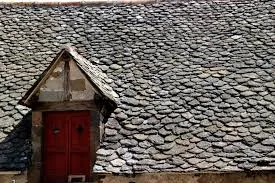 Family names: Lauzon, Habermaker, MansetThree names and the trades behind them: the lauzon laid flat roofing stones, the Habermacher grew oats, the manset worked a farm holding he did not own. Alain Manset traces his own.
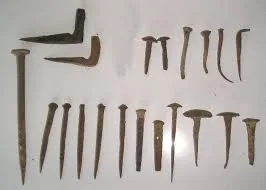 Family Names: Fournier and CloutierTwo trades behind two surnames common in the region: the fournier fired the village bread oven, the cloutier forged nails one by one. Guillaume Fournier and Zacharie Cloutier open each line.
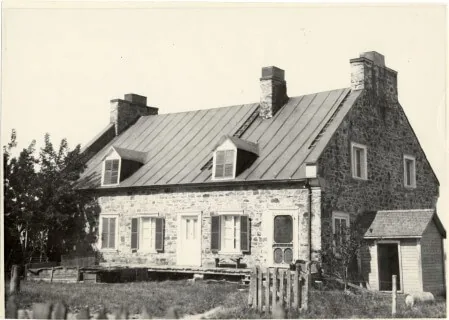 Diversion of the main road at St-PierreIn 1898 the municipal council of Saint-Pierre-les-Becquets moved the main road south of the houses threatened by landslides on the cliff; Adeline Monpas obtained a change to the route.
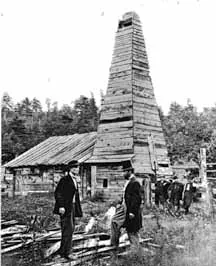 Shale Gas at Saint-Pierre-les-BecquetsLong before anyone talked of shale gas, a contract of 5 July 1907 between the Boston Gas and Oil Co. and Octave Dion opened lot 105 to exploration, but the drilling of the day did not give the hoped-for results.
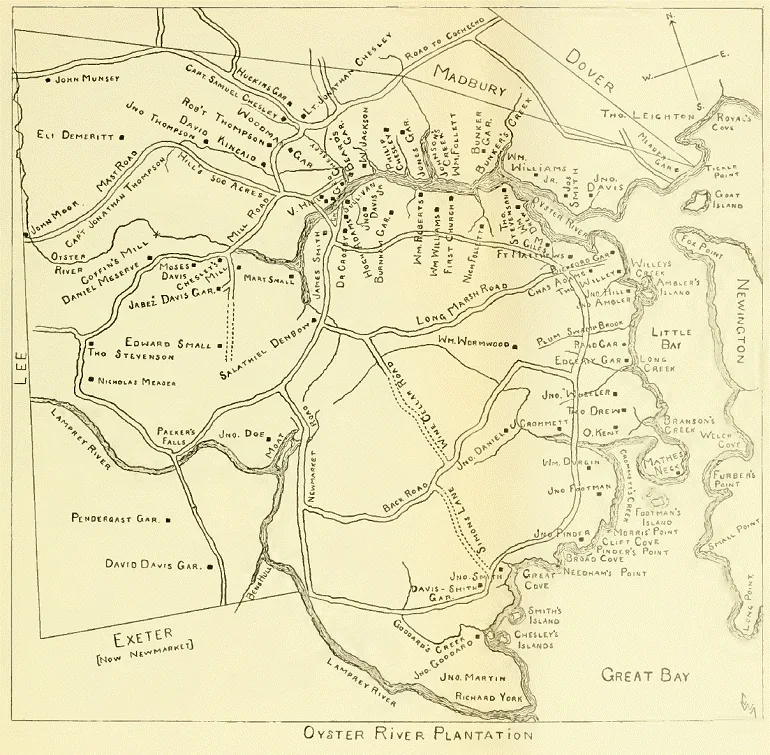 Carried off by Abenakis!On 22 May 1707 at Oyster River, New Hampshire, two little girls were carried off by Abenakis to New France. Marie Anne Drew, 11, was baptised there, married Étienne Lafond and founded a lineage.
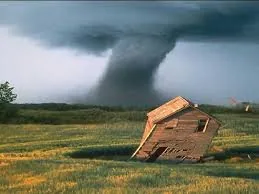 A Tornado at Sainte-Cécile-de-Lévrard.On 19 August 1923 a tornado destroyed 32 buildings at Sainte-Cécile-de-Lévrard: $100,000 in damage, not one injury, and work bees organized by the parish priest Henri Denoncourt.
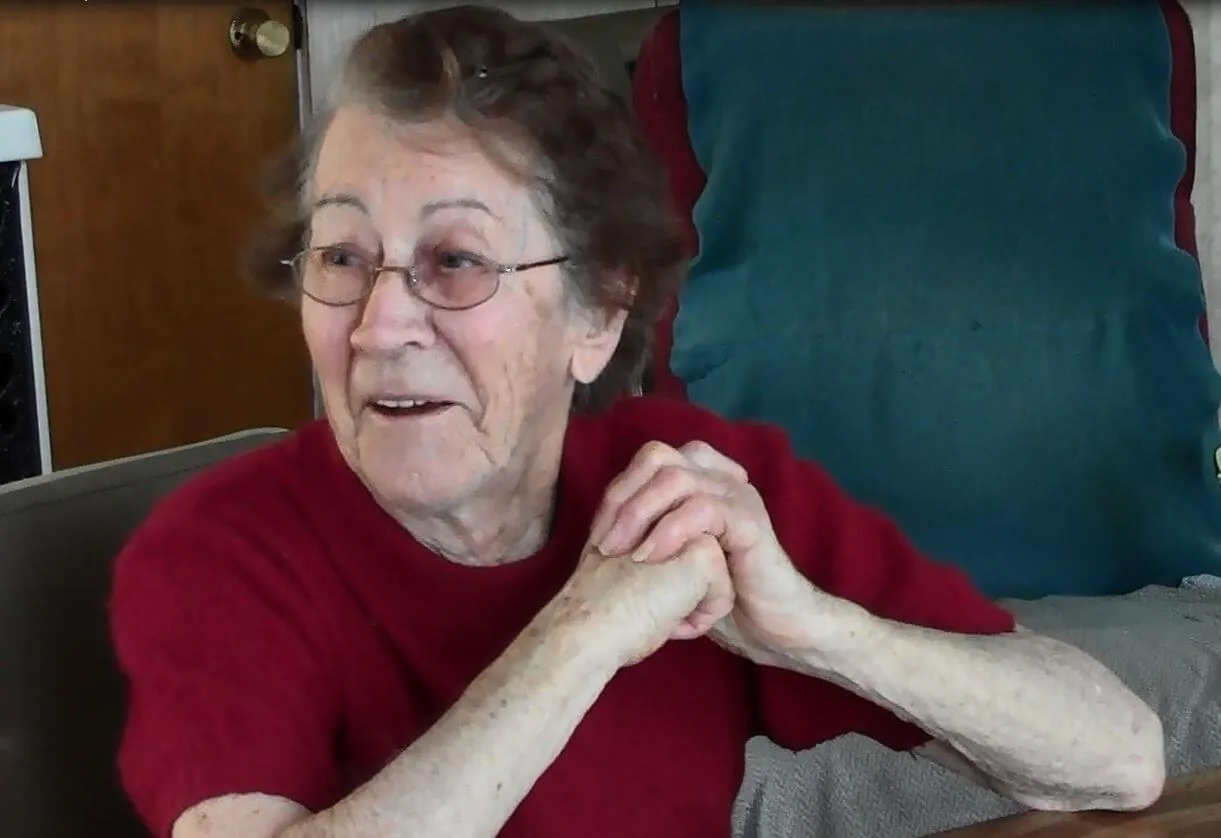 seriesSterilizing the cans and making the ketchupCécile Spénard-Poisson goes back over the technique used to sterilize the tin cans with Gaétan Lemay, then describes, visibly amused, how the ketchup was made.
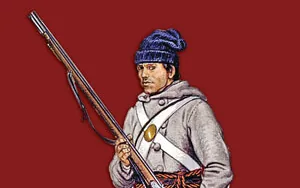 The militiamen of 1812 at St-Pierre-les-BecquetsThe seigneurie Lévrard supplied at least five militiamen to the War of 1812: pay of $20.00, the free land Hyacinthe Cossette took up in 1839 and resold, and a claim rejected in 1874.
 seriesRepairs to the buildings; heating the autoclavesSawmill waste wood, readily available in the region, fed the autoclaves, the steam for scalding the tomatoes and the backup steam engine; the old buildings needed major structural repairs.
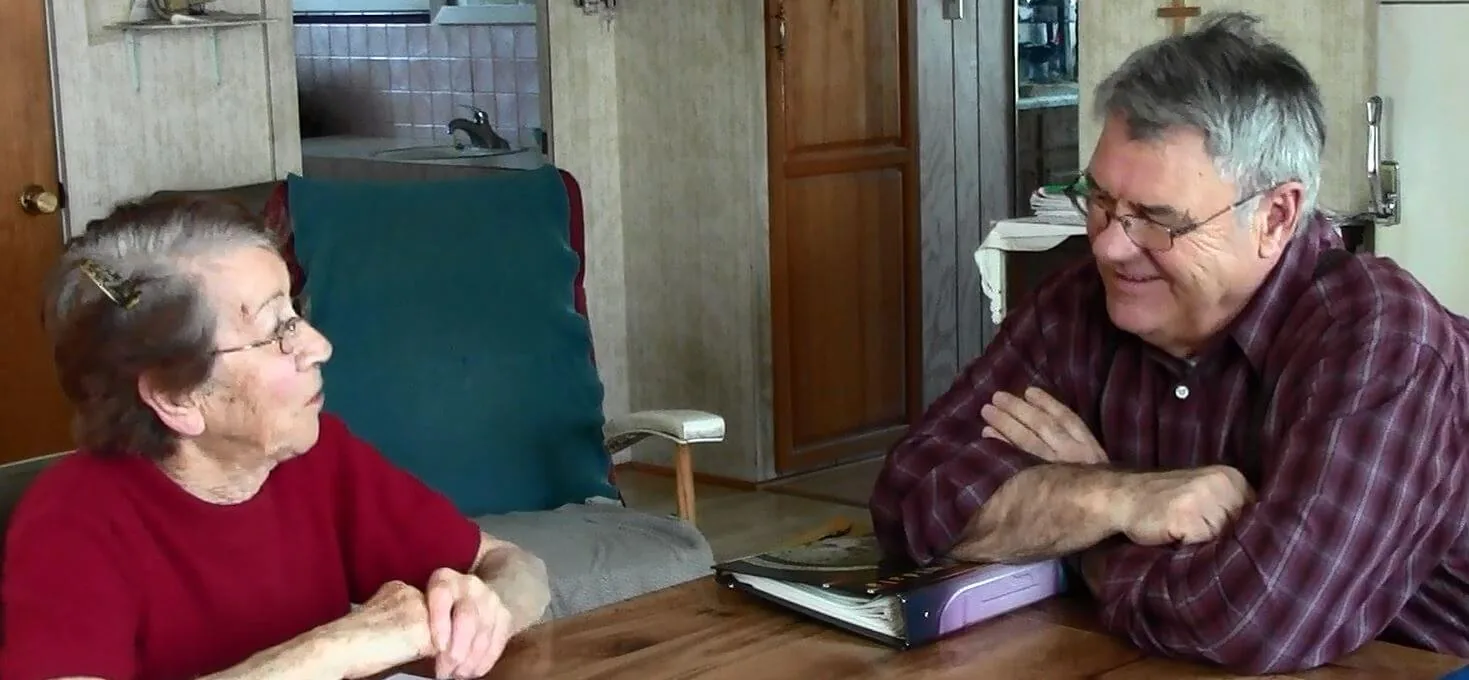 seriesPeeling with a SpoonCécile Spénard-Poisson shows Jocelyne Lafond and Gaétan Lemay how scalded tomatoes were trimmed — hard core, skin, bruised flesh — before being canned and sent to the autoclave.
- seriesCooling the Cans, Then Labelling ThemThe last steps of canning: cooling the cans to protect quality, then end-of-season labelling by a small crew. One buyer is named: Cyrille Labelle, the merchant from Sorel.
 seriesCanning and SeamingA filmed step in the tomato line: once peeled and prepared, the fruit is placed in tin cans and sealed airtight, immediately before sterilization.
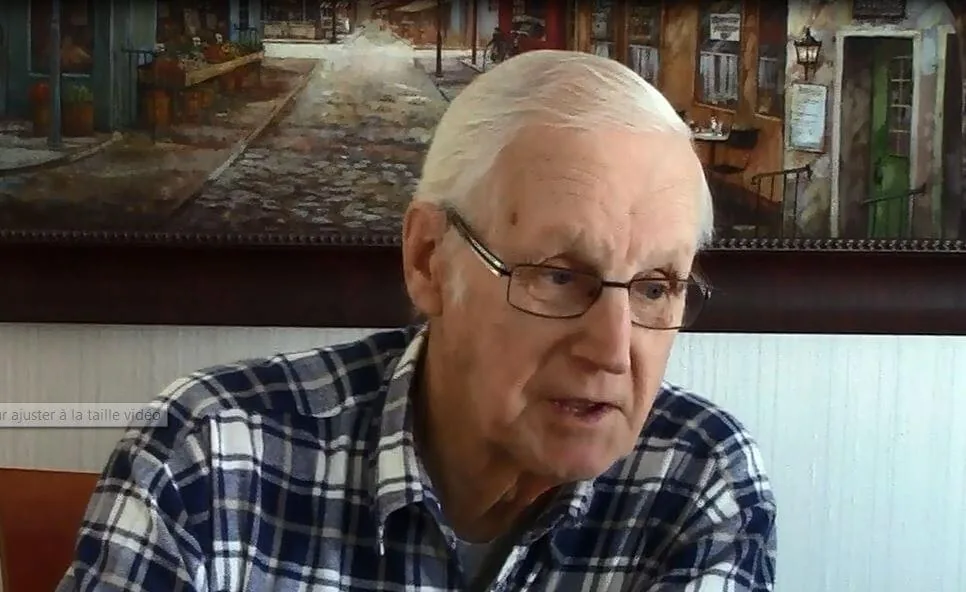 seriesFirst the Tomatoes Had to Be ScaldedHerman Poisson continues his account: the washing and scalding of the tomatoes, the step that came before the peelers went to work. Filmed interview, with a photograph of him.
 seriesTaking in the tomatoes at the canneryHerman Poisson recalls, in a filmed interview, the tomatoes arriving at the cannery, the weighing that followed, then their handover to the women workers: the first step in the line.
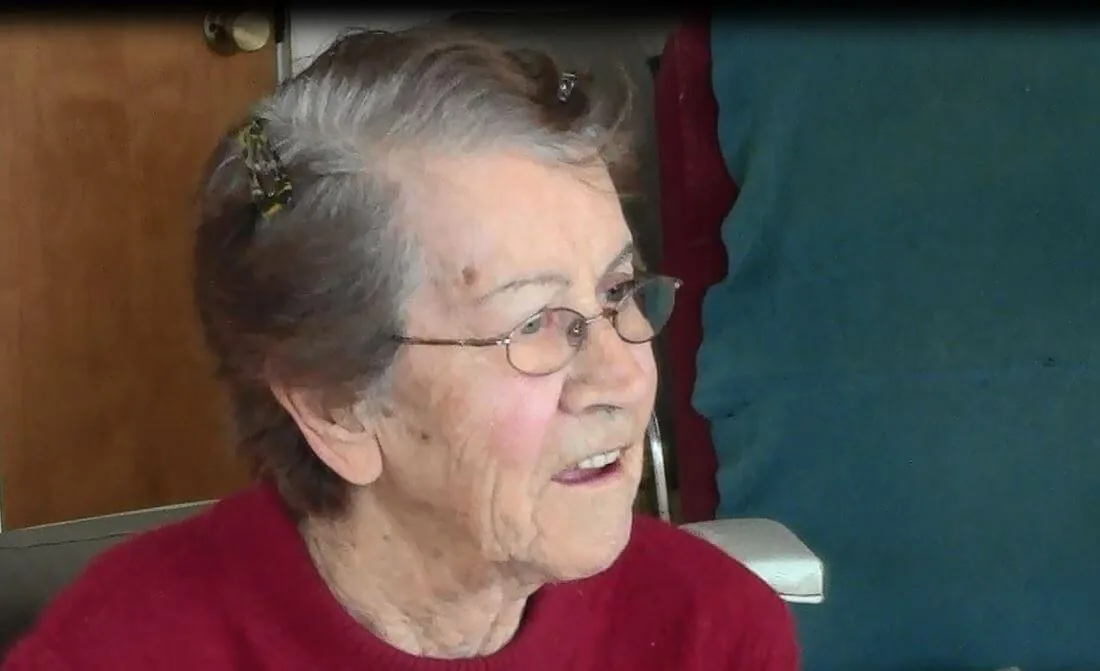 seriesThe Work of the Tomato PeelersA filmed interview with Cécile Spénard-Poisson, who describes her days at the tomato cannery in the 1940s: peeling, the first step before the tomatoes were canned.
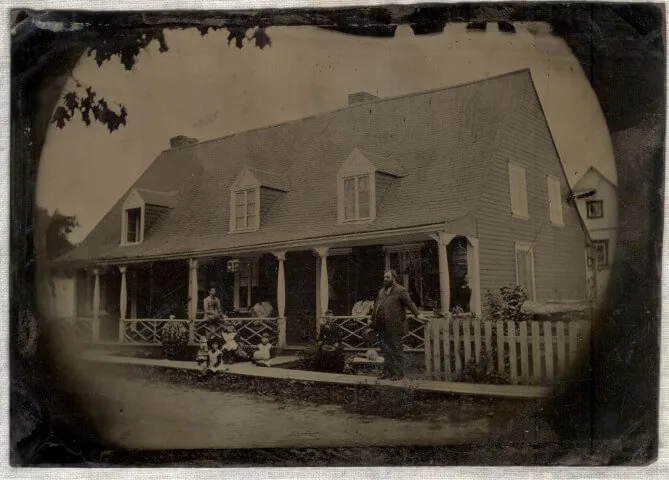 Call for InformationA tintype from the early 1900s, given by Hélène Demers: a prosperous owner, his wife and five children outside a house with a veranda that no one has yet identified.
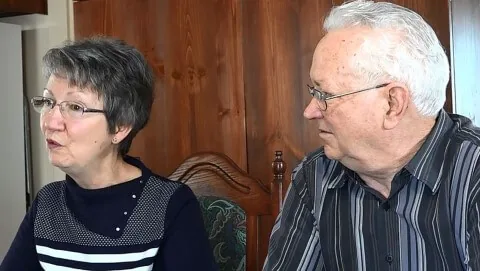 The Mayrand Couple Settle in St-Pierre-les-BecquetsA photograph of the couple and a filmed interview on the arrival of Jean-Noël Mayrand and Julienne Neault in St-Pierre-les-Becquets, where they open a grocery store.
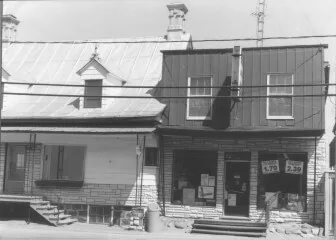 Rosaire Tousignant's Grocery StoreCécile Poisson and her husband Rosaire Tousignant buy the business that would become “l’épicerie Rosaire Tousignant”; a photo of the store and a video clip accompany the note.
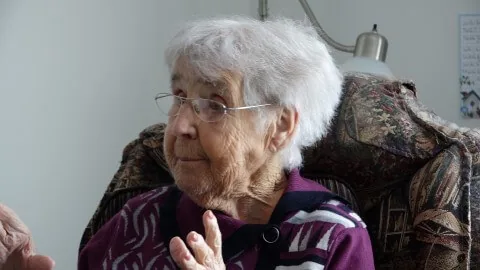 seriesSecretary of the Tomato CanneryFilmed interview with Cécile Poisson, later Mrs. Tousignant, describing her work as secretary at the tomato cannery in Saint-Pierre-les-Becquets, the “tomaterie”.
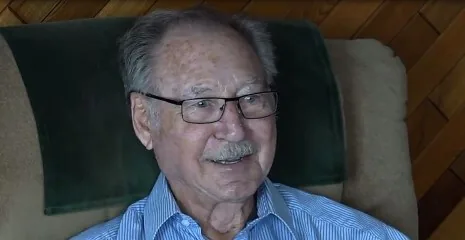 Gaston Mailhot and his beginnings at the general storeGaston Mailhot tells how the owner of the general store hired him as a very young man, and how his earnestness there soon got him noticed.
- seriesBaskets for the TomatoesTons of tomatoes brought to market in the region each year meant containers were needed: a filmed segment on the factory making the baskets used to carry and sell them.
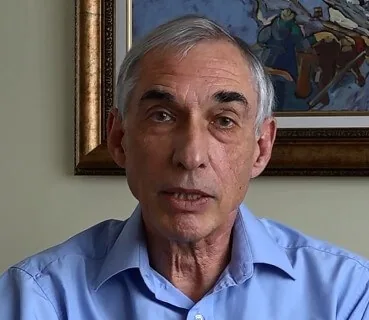 Memories of a Young Immigrant in 1951Alain Manset, who came from France with his parents in 1951, looks back on his first impressions of Canada; now settled in Saint-Pierre-les-Becquets, he studies local and regional history.
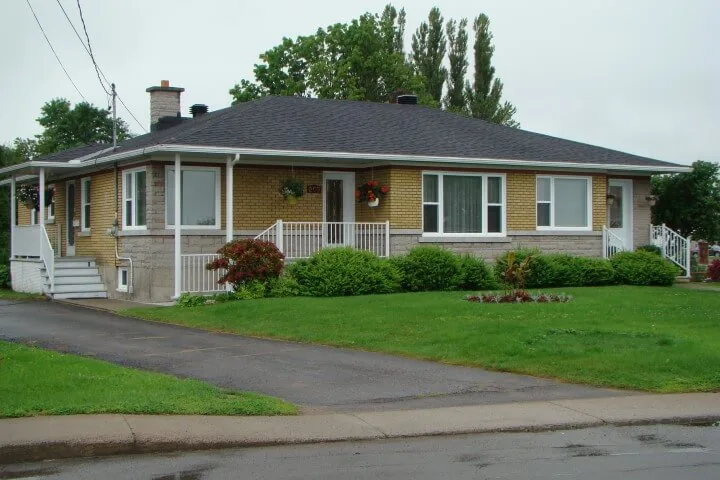 The Caisse Populaire of Saint-Pierre-les-BecquetsFounded on 13 September 1911, the Saint-Pierre-les-Becquets caisse closed for want of a manager, was revived in 1934, and in 1979 moved into a building raised on the site of the former parish hall.
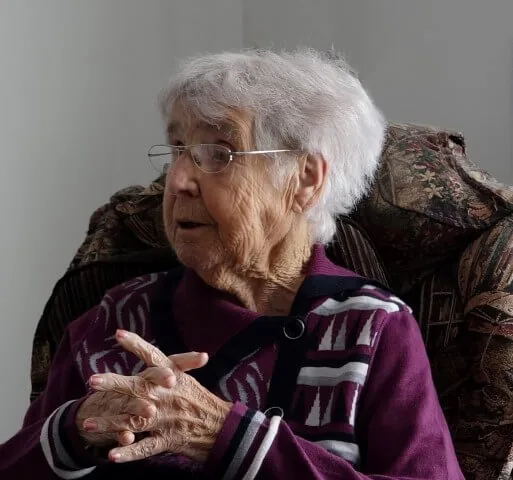 Rosaire Tousignant’s Grocery StoreCécile Poisson-Tousignant recalls the general store at the corner of rue Lapérade and rue Marie-Victorin, bought from Hervé Brisson and run with her husband Rosaire until they sold it in 1987.
 The Origin of the Names of Our SeigneurySaint-Pierre, Sainte-Cécile, Sainte-Sophie and the seigneury’s nine rangs: where their names come from, from Gilles Masson to Adélaïde Moras, and why the seigneurs’ given names were “sanctified”.
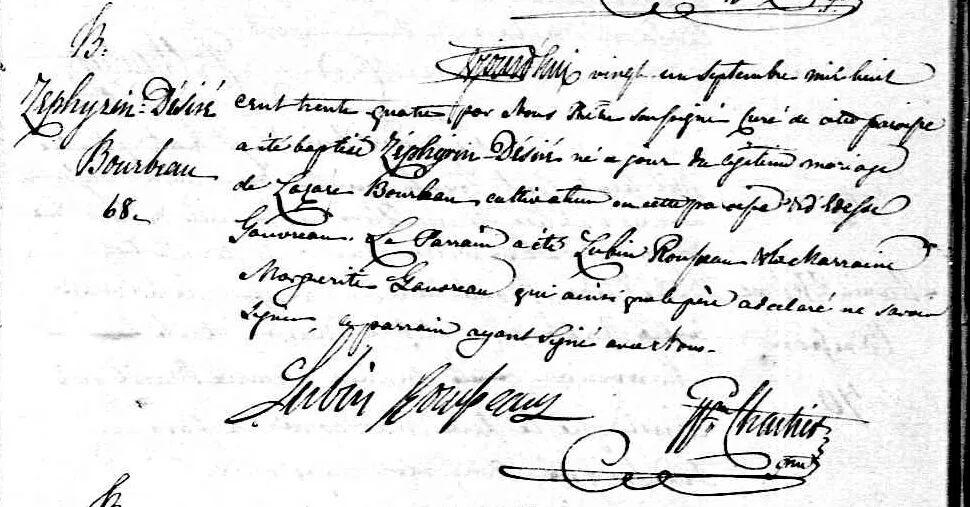 Désiré-Olivier Bourbeau, a man of Saint-Pierre-les-BecquetsBorn at St-Pierre-les-Becquets in 1834, a schoolteacher turned Victoriaville merchant, mayor and then Conservative MP; his 1897 election was annulled, the votes in his favour exceeding the number of electors.
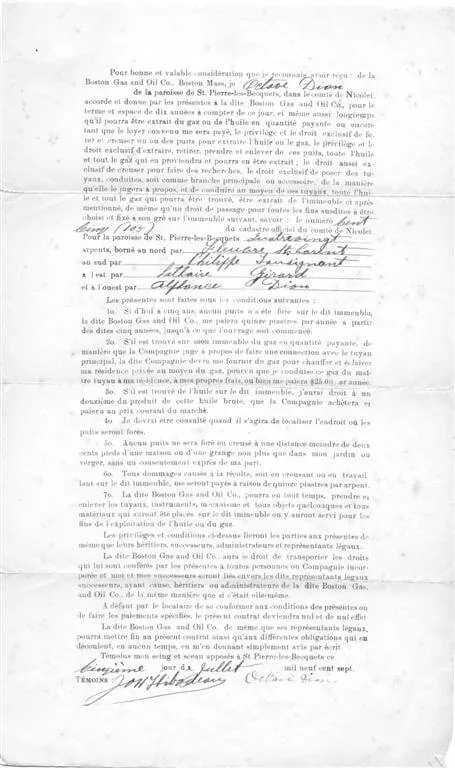 Shale GasA contract dated 5 July 1907 between the Boston Gas and Oil Co and Octave Dion granted gas and oil rights over lot 105 at Saint-Pierre-les-Becquets: exploration here was nothing new.
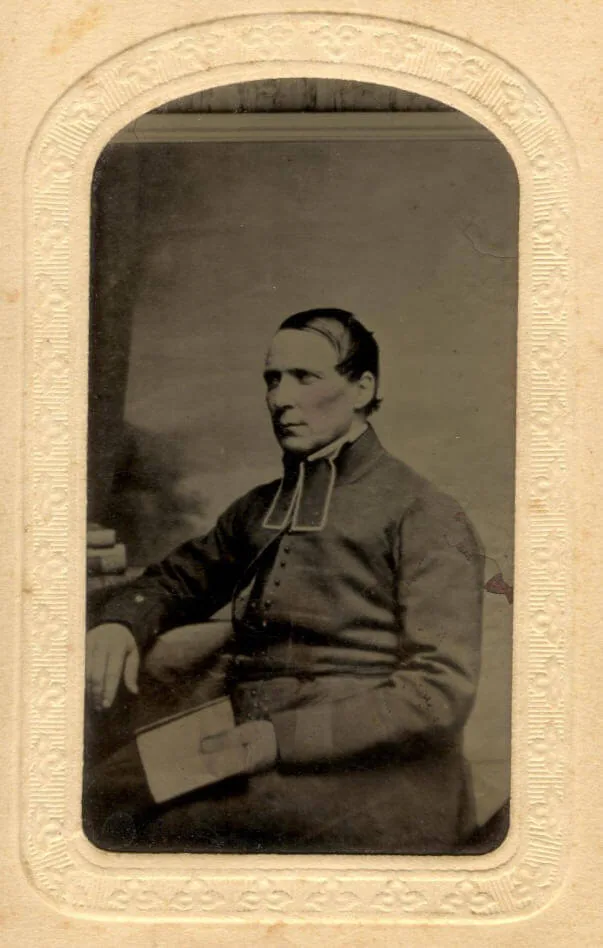 Father Joseph BaileyBorn at Sainte-Anne-de-la-Pérade in 1819, Joseph Bailey tended the Irish immigrants struck by typhus at Grosse-Île in 1846, then became parish priest of Saint-Pierre-les-Becquets in 1855.
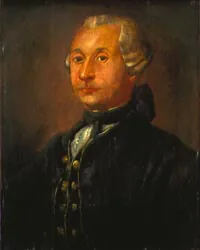 The physiciansHenry Arnaud, who died at Saint-Pierre-les-Becquets in 1743 leaving no trace of a medical practice, and Pierre de Sales Laterrière, travelling physician-apothecary from 1783 to 1788, at odds with Father Demers.
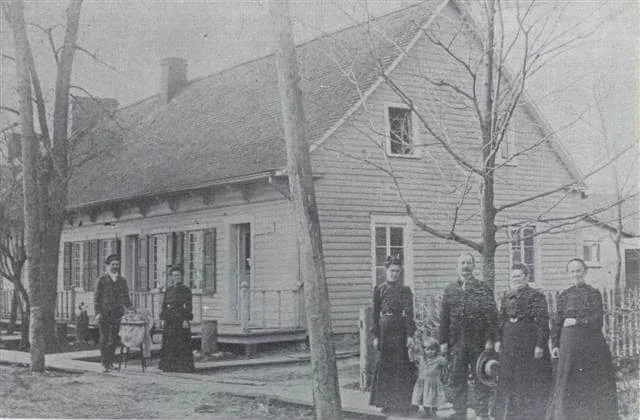 The Post OfficesPostmasters of Saint-Pierre-les-Becquets, Sainte-Cécile-de-Lévrard and Sainte-Sophie-de-Lévrard from 1832 onward: terms of office, the address of each office and its lot number.
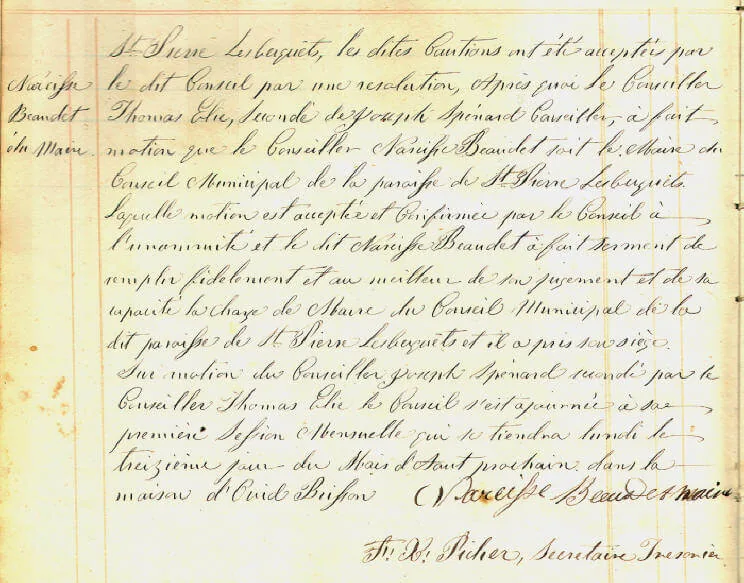 Rue Narcisse-BeaudetThe first mayor of Saint-Pierre, in office from 1855 to 1858, gave his name to the street serving the Des-Jardins-les-Becquets residence; the Society traces his life from his birth in 1810 to his death in 1893.
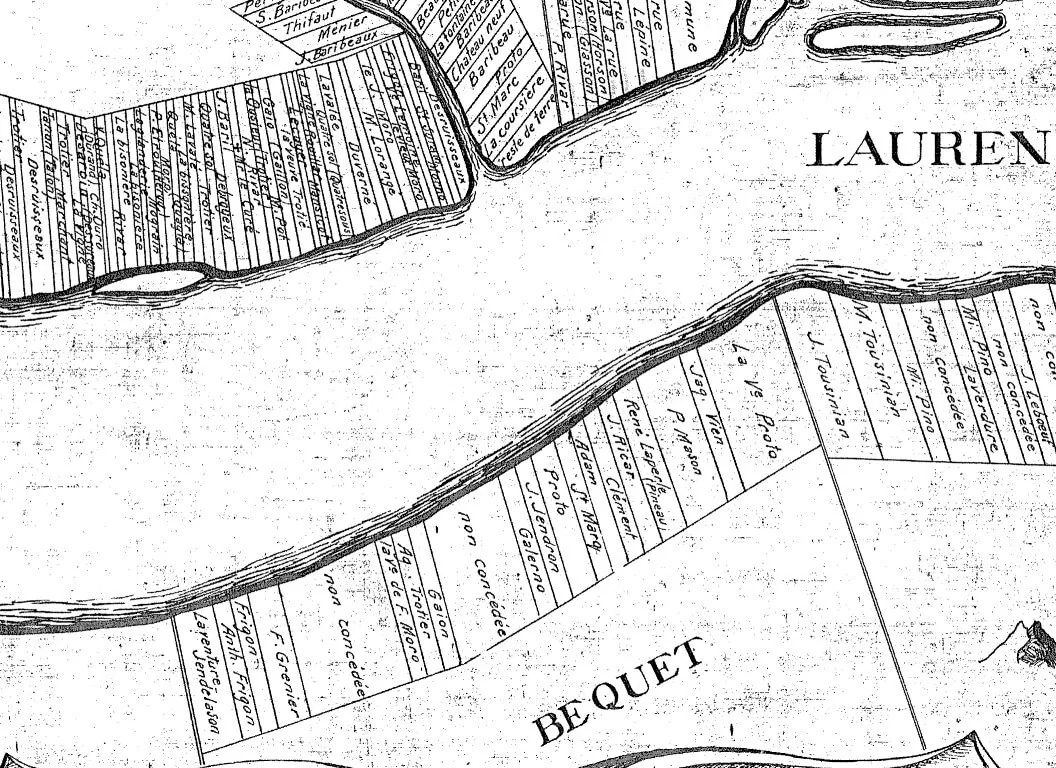 René-Pinot Street (Saint-Pierre-les-Becquets)René Pinot, known as Laperle, of the second family to settle at Saint-Pierre: his land appears on the 1709 Catalogne map, and the 1710 birth of his son Claude seems to be the first there.
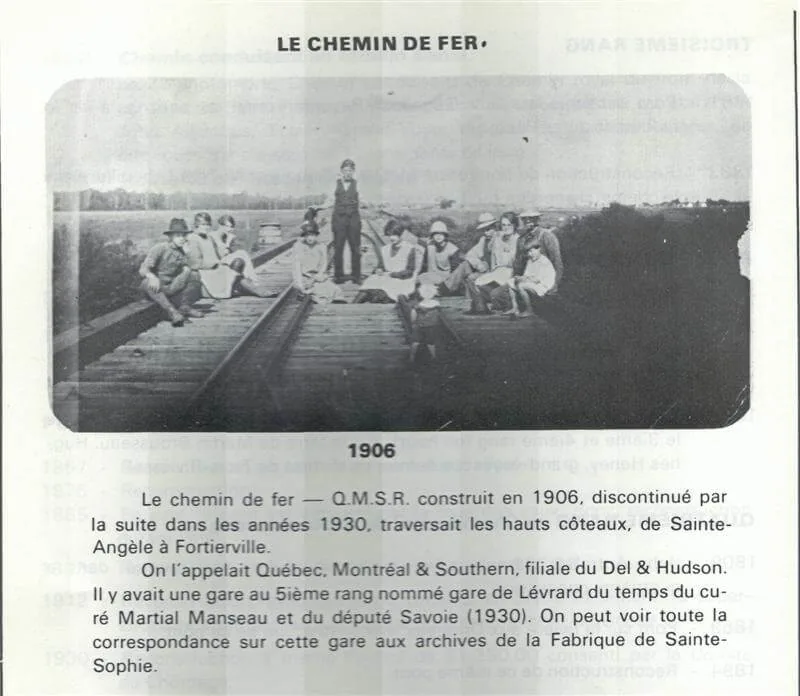 The Railways in the Seigneury of Lévrard-BecquetIn 1906, Liguori Béique merged three companies into the Quebec, Montreal and Southern Railway, whose terminus stopped at Fortierville; the line never paid its way and the C.N. abandoned it in 1940.
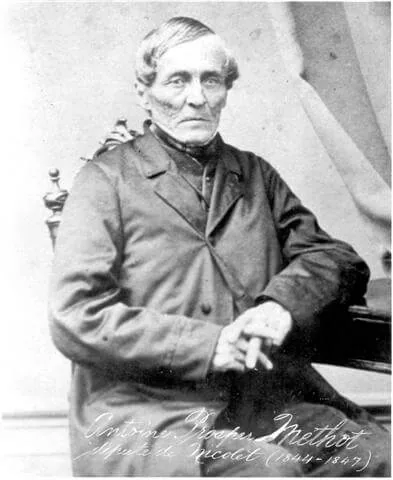 Méthot and Siméon-Charland StreetsRue Méthot recalls two unrelated men, the notary Antoine-Prosper and the member for Nicolet François-Xavier-Alfred-Ovide; rue Siméon-Charland, the tinsmith appointed fire officer in 1873.