Section
The cannery
Half a century of canning in Saint-Pierre-les-Becquets, told by the people who worked there: receiving the tomatoes, peeling, seaming, ketchup.
15 articles
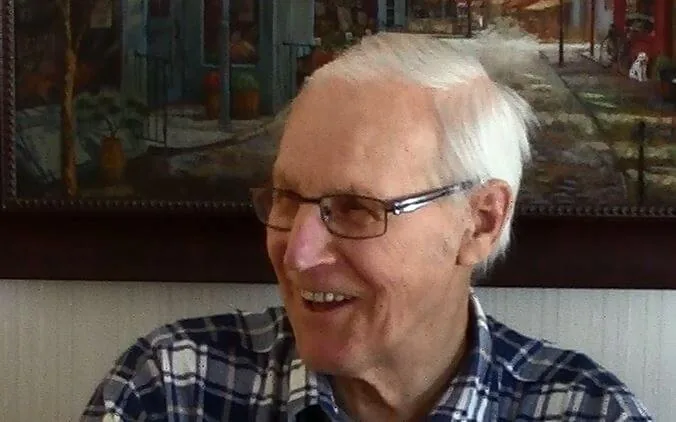 seriesKetchupMr. Poisson explains how tomato leftovers, skins and peelings, became a boiled pulp shipped to the Old City plant in Quebec City, where a blend of spices turned it into ketchup.
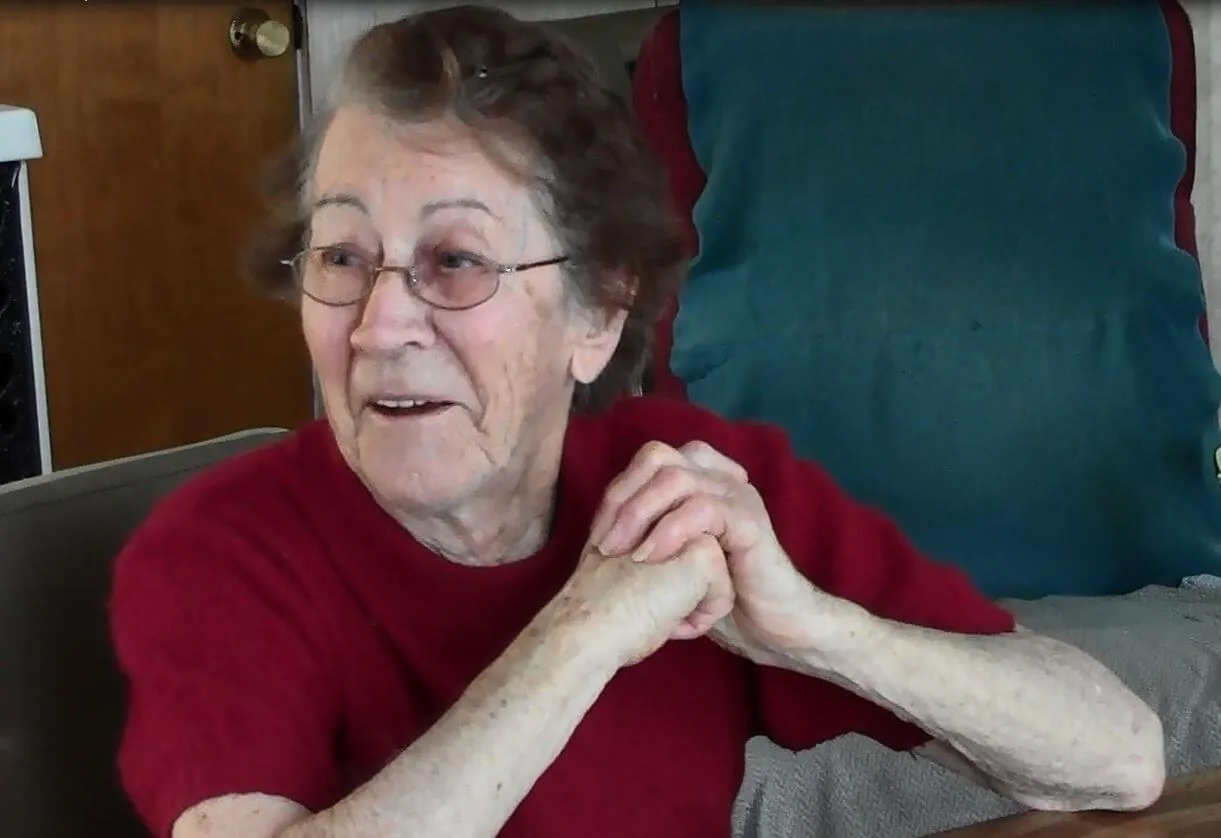 seriesSterilizing the cans and making the ketchupCécile Spénard-Poisson goes back over the technique used to sterilize the tin cans with Gaétan Lemay, then describes, visibly amused, how the ketchup was made.
 seriesRepairs to the buildings; heating the autoclavesSawmill waste wood, readily available in the region, fed the autoclaves, the steam for scalding the tomatoes and the backup steam engine; the old buildings needed major structural repairs.
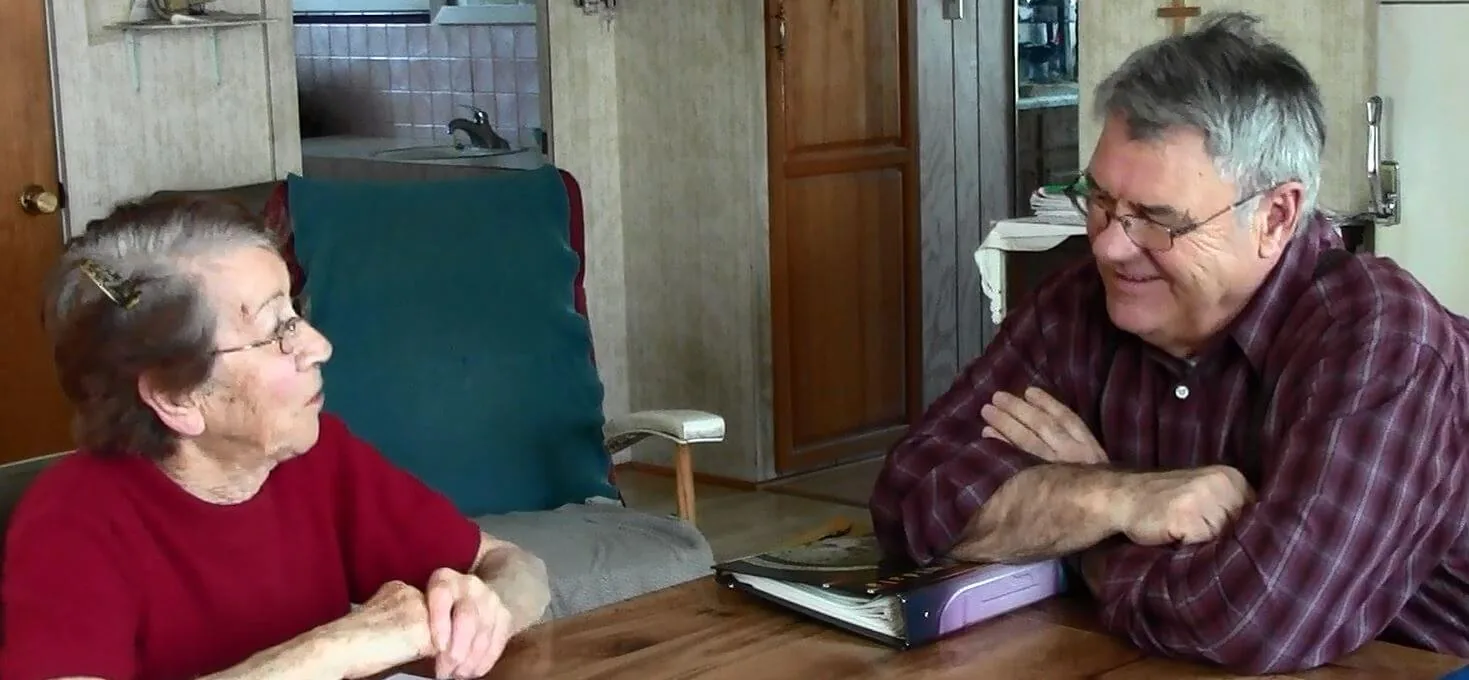 seriesPeeling with a SpoonCécile Spénard-Poisson shows Jocelyne Lafond and Gaétan Lemay how scalded tomatoes were trimmed — hard core, skin, bruised flesh — before being canned and sent to the autoclave.
- seriesCooling the Cans, Then Labelling ThemThe last steps of canning: cooling the cans to protect quality, then end-of-season labelling by a small crew. One buyer is named: Cyrille Labelle, the merchant from Sorel.
 seriesCanning and SeamingA filmed step in the tomato line: once peeled and prepared, the fruit is placed in tin cans and sealed airtight, immediately before sterilization.
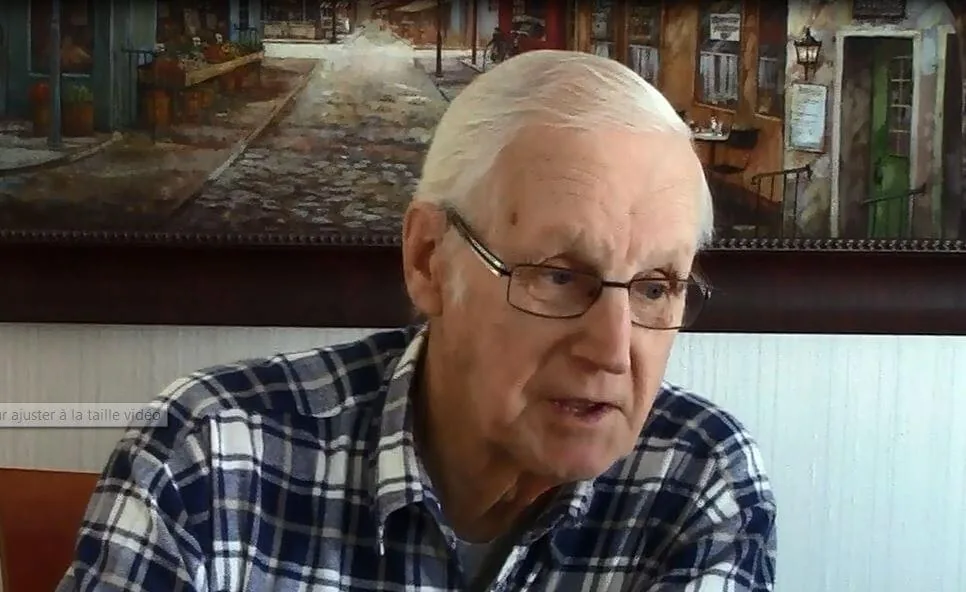 seriesFirst the Tomatoes Had to Be ScaldedHerman Poisson continues his account: the washing and scalding of the tomatoes, the step that came before the peelers went to work. Filmed interview, with a photograph of him.
 seriesTaking in the tomatoes at the canneryHerman Poisson recalls, in a filmed interview, the tomatoes arriving at the cannery, the weighing that followed, then their handover to the women workers: the first step in the line.
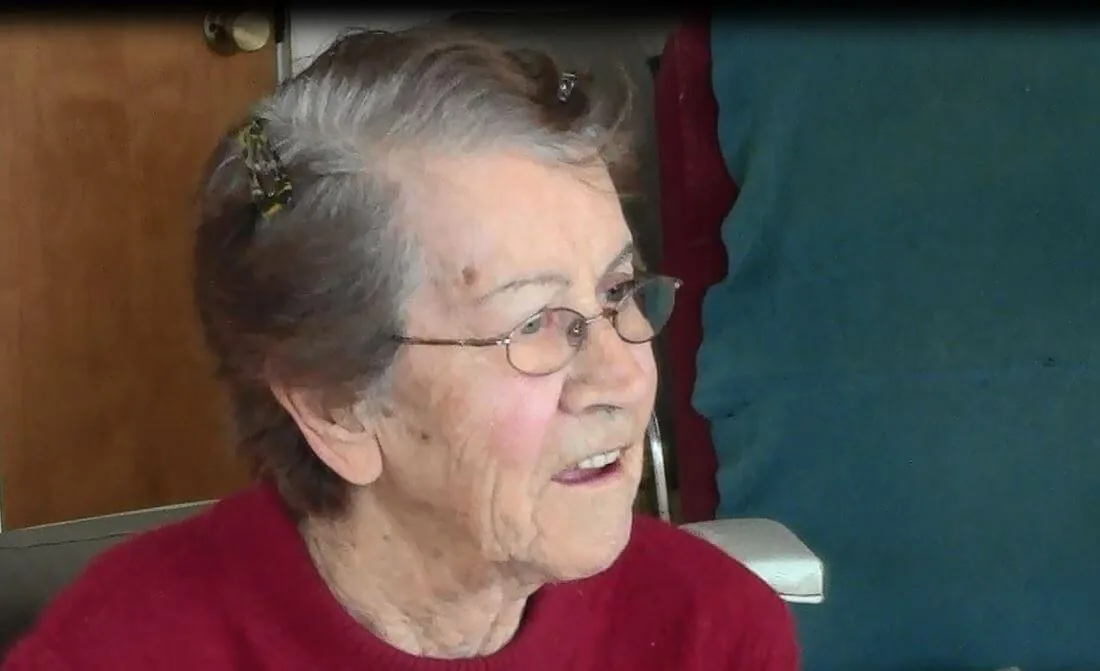 seriesThe Work of the Tomato PeelersA filmed interview with Cécile Spénard-Poisson, who describes her days at the tomato cannery in the 1940s: peeling, the first step before the tomatoes were canned.
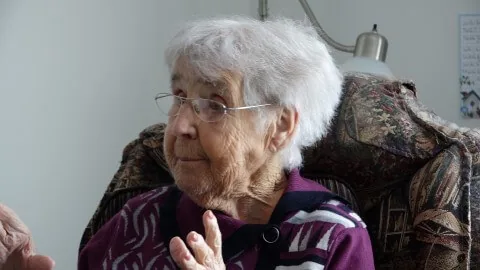 seriesSecretary of the Tomato CanneryFilmed interview with Cécile Poisson, later Mrs. Tousignant, describing her work as secretary at the tomato cannery in Saint-Pierre-les-Becquets, the “tomaterie”.
- seriesBaskets for the TomatoesTons of tomatoes brought to market in the region each year meant containers were needed: a filmed segment on the factory making the baskets used to carry and sell them.
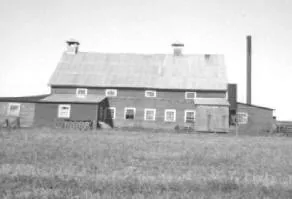 seriesThe Tomaterie (Tomato Cannery)A cannery founded in 1899 by eight parish notables on a leased lot on the route Lelaidier; the plant changed hands again and again until 1956, when Gérard Demers Inc. turned it into a warehouse.
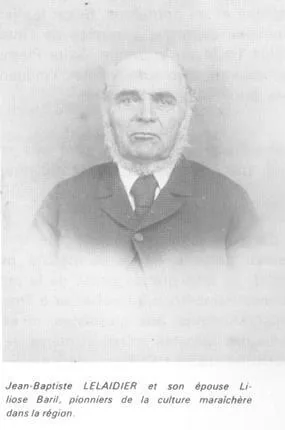 seriesJean-Baptiste LelaidierBorn at Créances in Normandy in 1818, he came to Canada in 1848 and settled at Saint-Pierre-les-Becquets, married Liliose Baril in 1852, grew melons and then tomatoes, and died in 1903 after seeing the tomato cannery built.
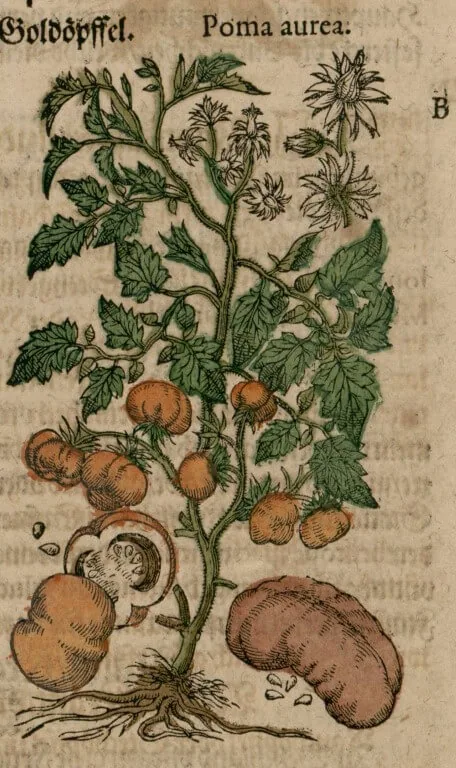 seriesThe Tomato: Its HistoryFrom Peru to Saint-Pierre-les-Becquets: four centuries of mistrust of the tomato, held poisonous by John Gerard and merely ornamental by Olivier de Serres, before it reached Canada in the 1850s.
 seriesA Tomato Worker, Cécile Spénard-PoissonCécile Spénard-Poisson, aged 92, recalls in January 2013 her work as a peeler at the Saint-Pierre tomato cannery: pay by the pail, the autoclaves, and days from seven in the morning to six at night.