Family Names: Fournier and Cloutier
Two trades behind two surnames common in the region: the fournier fired the village bread oven, the cloutier forged nails one by one. Guillaume Fournier and Zacharie Cloutier open each line.
Written in French by Alain Manset, March 4, 2018. Quotations from period documents are left in the original. Lire l’original en français.
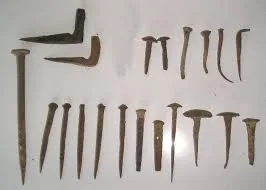
Family names of the region.
The Fournier and Cloutier families.
Most of the time we use family names without giving a thought to where they came from or what they mean. Often a trade gave its name to the man who practised it.
The Fournier family
The surname “Fournier” is a good example. Everyone in our region knows the Fournier family of Sainte-Sophie, but do we know that a fournier was, long ago, the man who built, maintained and operated the bread oven of a village? It was more practical to use such equipment collectively than individually. Once a week, sometimes twice, he lit a fire in his oven, and when the temperature was right he raked out all the embers and put in the loaves brought by the village housewives. How could he tell the temperature had been reached? The fournier used an ear of wheat, which he slipped into the oven: if the beards caught fire at once, the heat was too fierce; if the beards browned slowly, it was time to put in the loaves for a good half hour. As reliable as a thermometer. Once the bread was baked, the gentler remaining heat could be used to cook baked beans with salt pork.
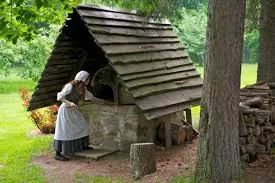
The fournier could be paid in kind, or trade his services with others.
Such work was obviously not enough to keep a man alive, and the fournier had to carry on another trade in order to put butter on his… bread!
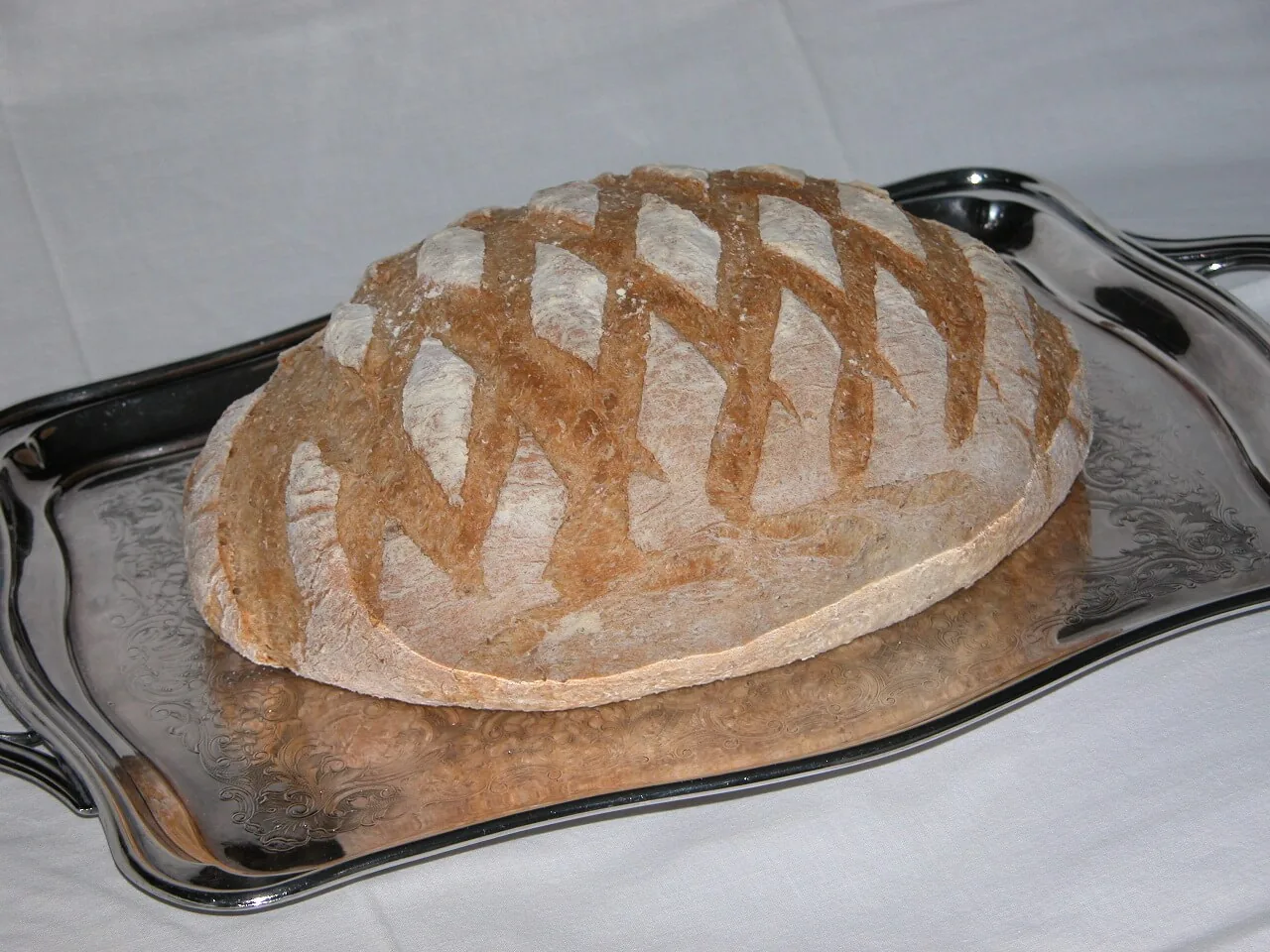
The baker, for his part, prepared the dough and baked it. But that is another story.
The first Fournier in the country was named Guillaume; he was born at Coulmer, in Normandy, in 1619, and his wife was the granddaughter of Louis Hébert. A good many of their descendants still live in the region.
The Cloutier family
The cloutier was the man who made and sold nails. Today a nail is an object of no great value; we say, after all, « cela ne vaut pas un clou ! » [that isn’t worth a nail]. And yet, in an earlier time, a nail was the product of fairly hard and painstaking work. The cloutier received from a foundry, such as the Forges du Saint-Maurice, pig-iron ingots that he had to heat, cut into smaller pieces and hammer into the required shape; last of all, quenching the red-hot nail in a bath of cold water gave the metal its hardness. One by one the nails fell at the craftsman’s feet, and a day’s output was modest. A nail was used several times over, straightened again with light taps of the hammer to give it a second life. Nothing was wasted.
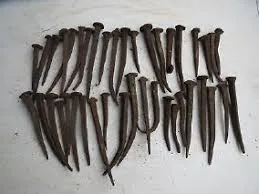
Nowadays a machine turns wire, delivered on spools, into nails at a very fast rate and for a trifling cost.
There was a time when hawthorn thorns were used as small nails. These thorns, very hard and an inch or two long, could serve in light work and had the advantage of costing nothing. After some painful personal experience, I can assure you that these thorns are sharp and extremely tough.
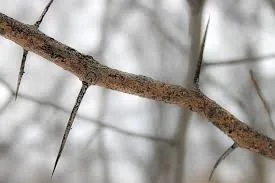
The first Cloutier in New France was named Zacharie; he was born at St-Jean-de-Mortagne in 1590 and worked as a carpenter, and he probably used nails in his framing, along with tenon, mortise and peg joints.
Alain Manset, SHGLB
Where this article sits
Read next
About the Society
A group of volunteers researching, preserving and publishing the history and genealogy of the Lévrard-Becquet seigneury since 2002.
shglb.com/en/des-noms-de-famille/